Devastation and the Road Ahead: The Impact of Hurricane Melissa in Images
How satellite imagery and ground reports reveal the scale of the crisis — and why your support matters

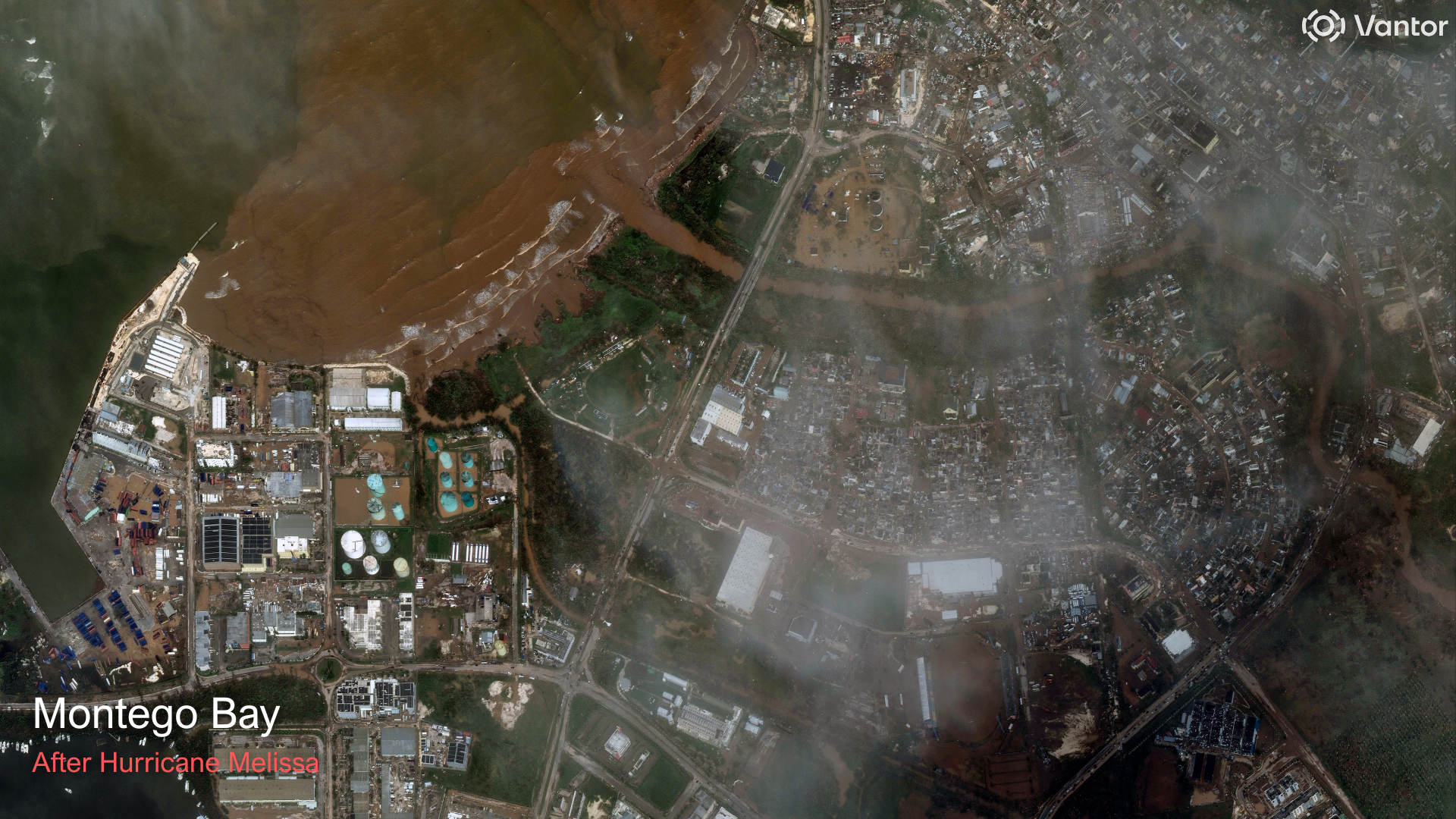


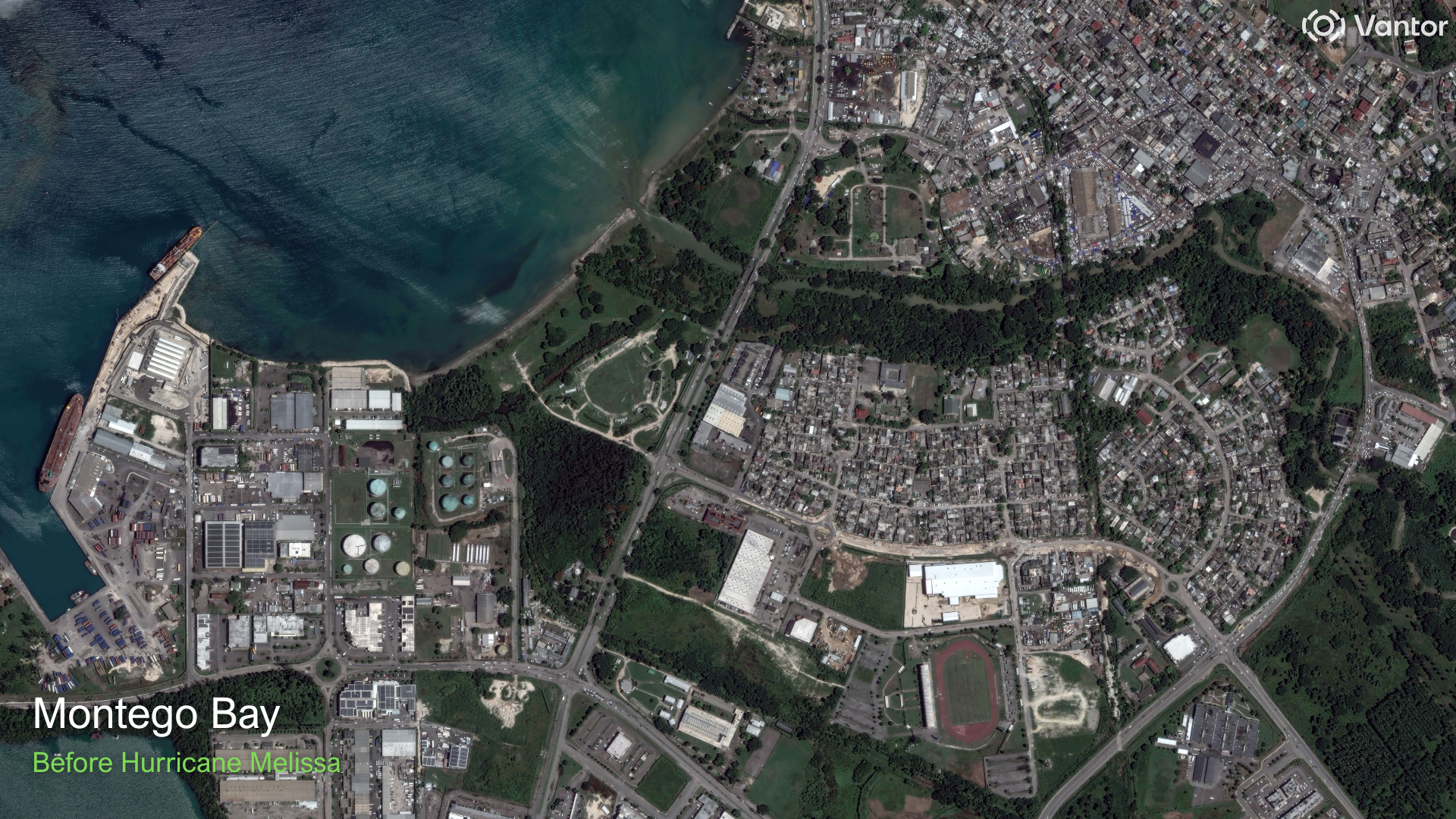
Montego Bay (Parish of St James)
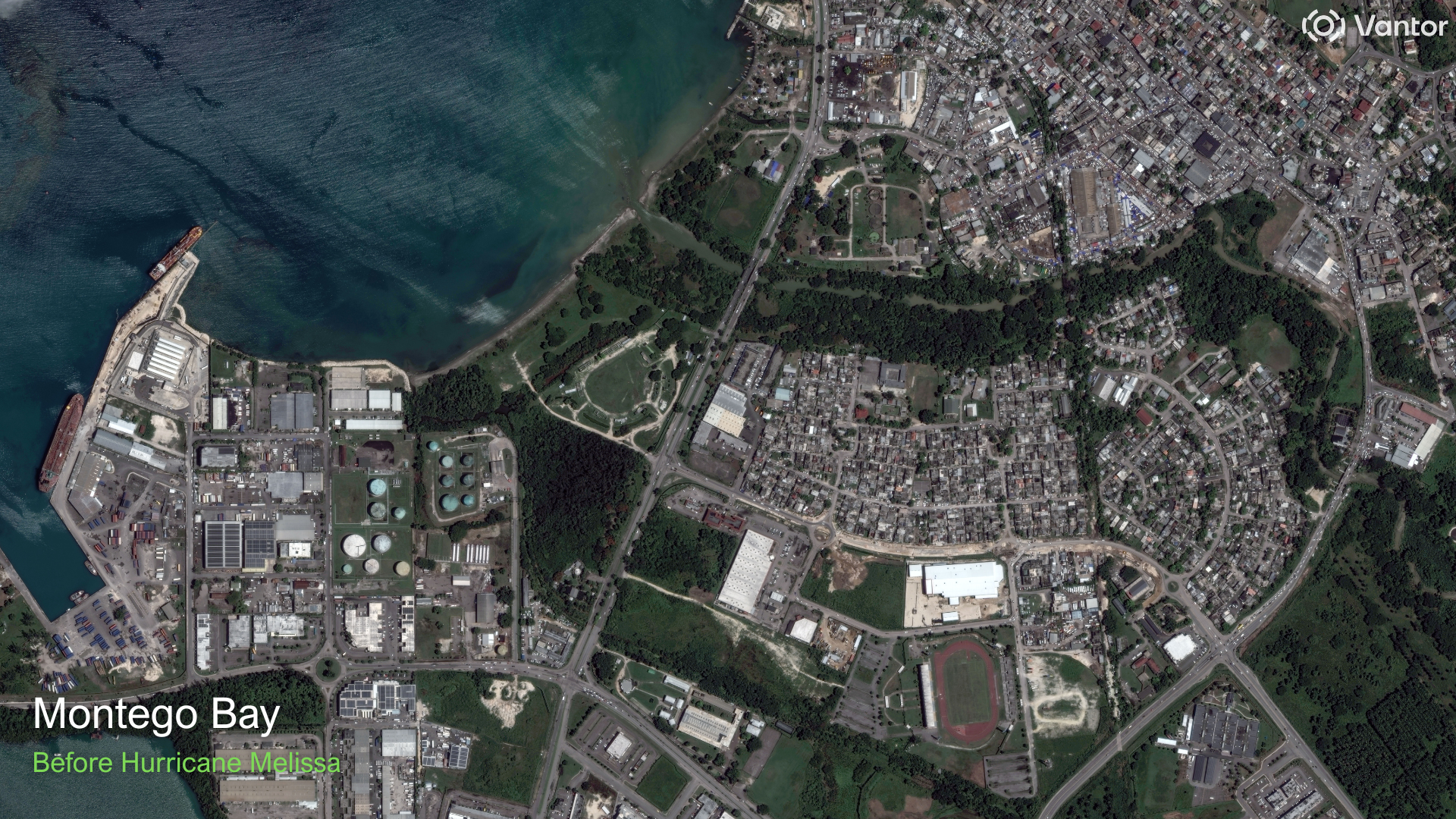
The city of Montego Bay, in the parish of St James, is Jamaica’s second-largest urban area and a major tourism hub. It hosts the international airport, hotel zones, and commercial districts and serves as a gateway for many visitors. Before the storm, Montego Bay enjoyed relatively modern infrastructure, vigorous tourism activity, and a coastline lined with resorts and businesses.
When Hurricane Melissa struck, Montego Bay faced life-threatening storm surge, heavy rainfall, and extreme winds. Forecasting outlets flagged “life-threatening storm surge” for Montego Bay as the Category 5 hurricane approached. The town’s major airport, Sangster International Airport, was closed ahead of the storm. Infrastructure damage has been reported: In this region, communications were impaired, roads blocked, power was down for large numbers of customers, and flooding impacted built-up areas. The overflow from nearby river systems (see the Barnett River section below) compounded the problem, as floodwaters encroached on urban areas.
Because Montego Bay is relatively flat in coastal zones and developed for tourism, the impacts are two-fold: first, the direct damage (roofs torn off hotels/resorts, business interruption, coastal erosion) and second, the cascading economic loss (tourism halt, business closures, job losses). The local authority had prepared training, shelter inspections, etc., but the intensity and combination of effects appear to have overwhelmed resilience. The consequence for the region will likely include a slowdown in tourist inflows, business downturns, and a challenging rebuild of hotels, resorts and port/coastal infrastructure.

Black River (Parish of St Elizabeth)
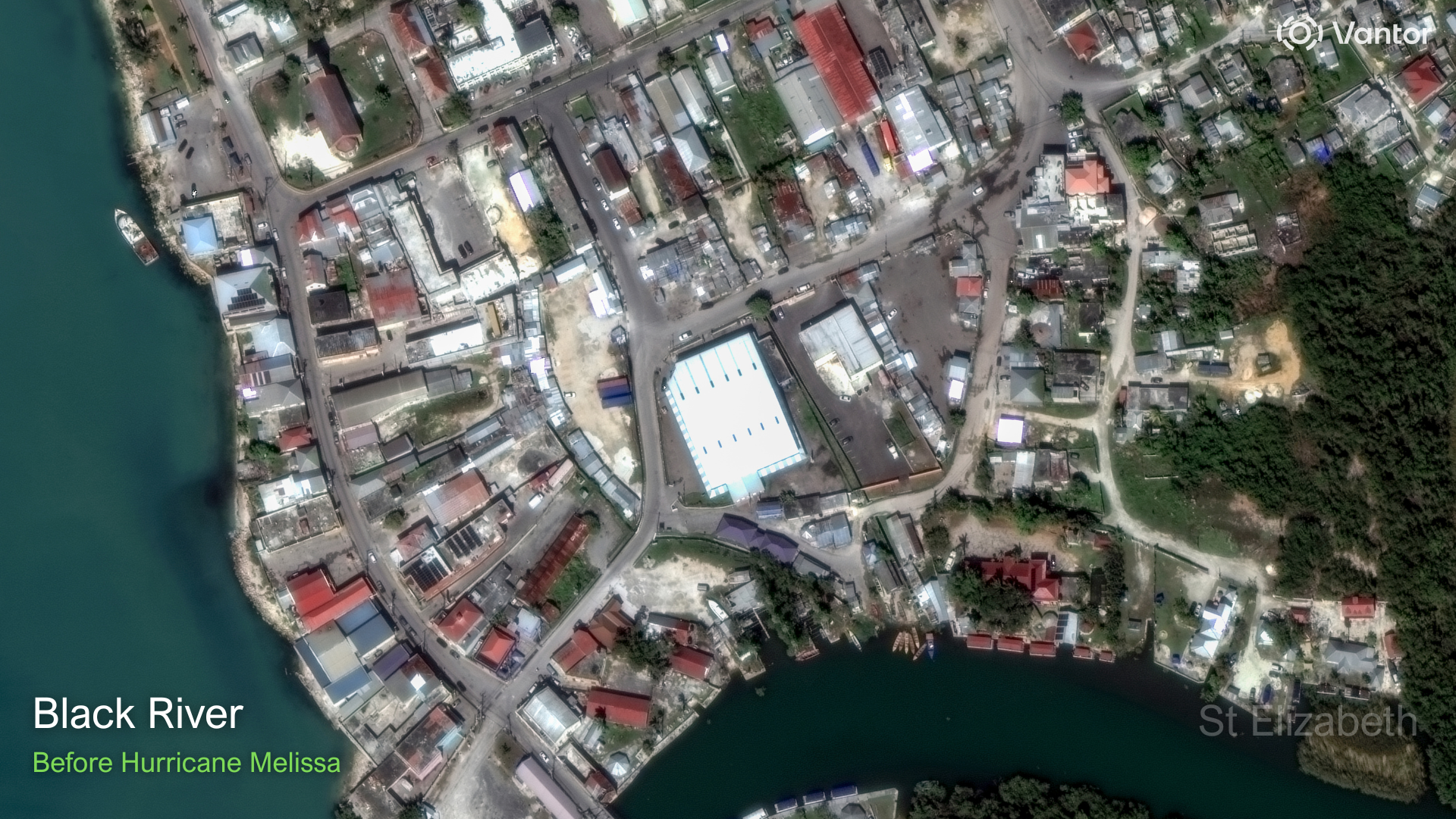
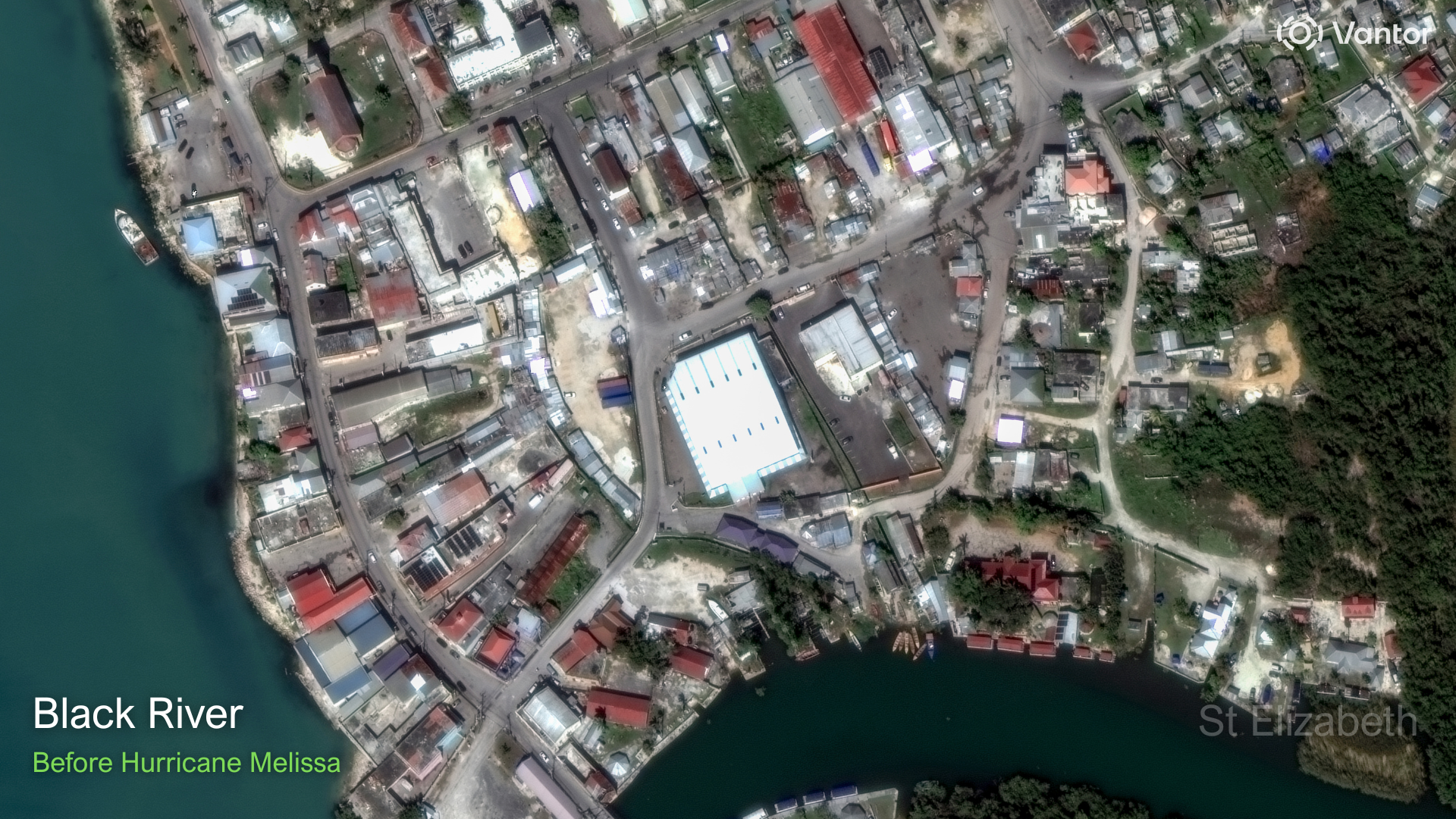
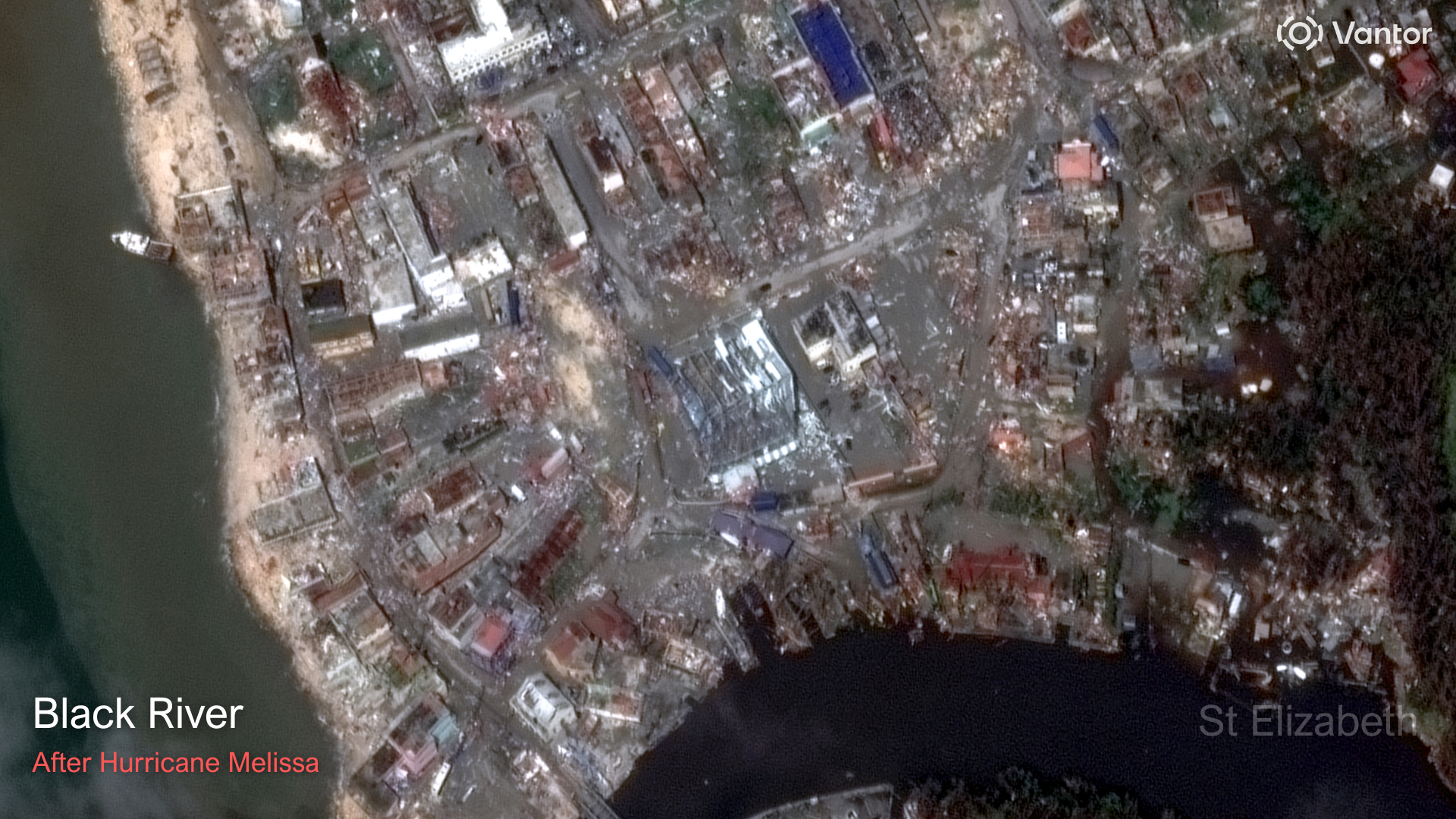
Black River is a historic town in the southwestern parish of St Elizabeth, Jamaica, located on the coast and near the mouth of the Black River watercourse. Before the storm, it served as a regional hub for fishing, tourism (river and mangrove tours), and local commerce. Its proximity to coastal and river systems has always made it vulnerable to flooding, and heavy rainfall/overflow events are not unprecedented. However, they are rarely as intense as those now.
In the wake of Hurricane Melissa, astonishing devastation was reported. The town has been described as “ground zero” for the storm’s impact in Jamaica. Reports say up to 16 feet of water covered parts of the town during the height of flooding. Roof-loss was massive: “80-90% of roofs in the area had been destroyed.” Critical infrastructure —including hospitals, power, roads, and communications—was severely damaged: one official noted that the hospital had lost its roof and was without power. Blocked roads and debris have hampered rescue and relief efforts. The mayor described the town as essentially on its knees, yet focused on retrieving survivors and bringing in supplies. (JIS, the Jamaica Gleaner, the Guardian)
Because Black River was already exposed to flood and surge risk, the combination of storm surge, river/stream overflow, and structural vulnerability made the impact catastrophic. The aftermath will include rebuilding homes, restoring water/power, clearing roads, re-establishing commerce, and protecting the river/shoreline. Long-term issues include relocating vulnerable homes, improving drainage & flood defences, and rebuilding the tourism link for the region.
Fishing Village (Whitehouse) – South-West Coast
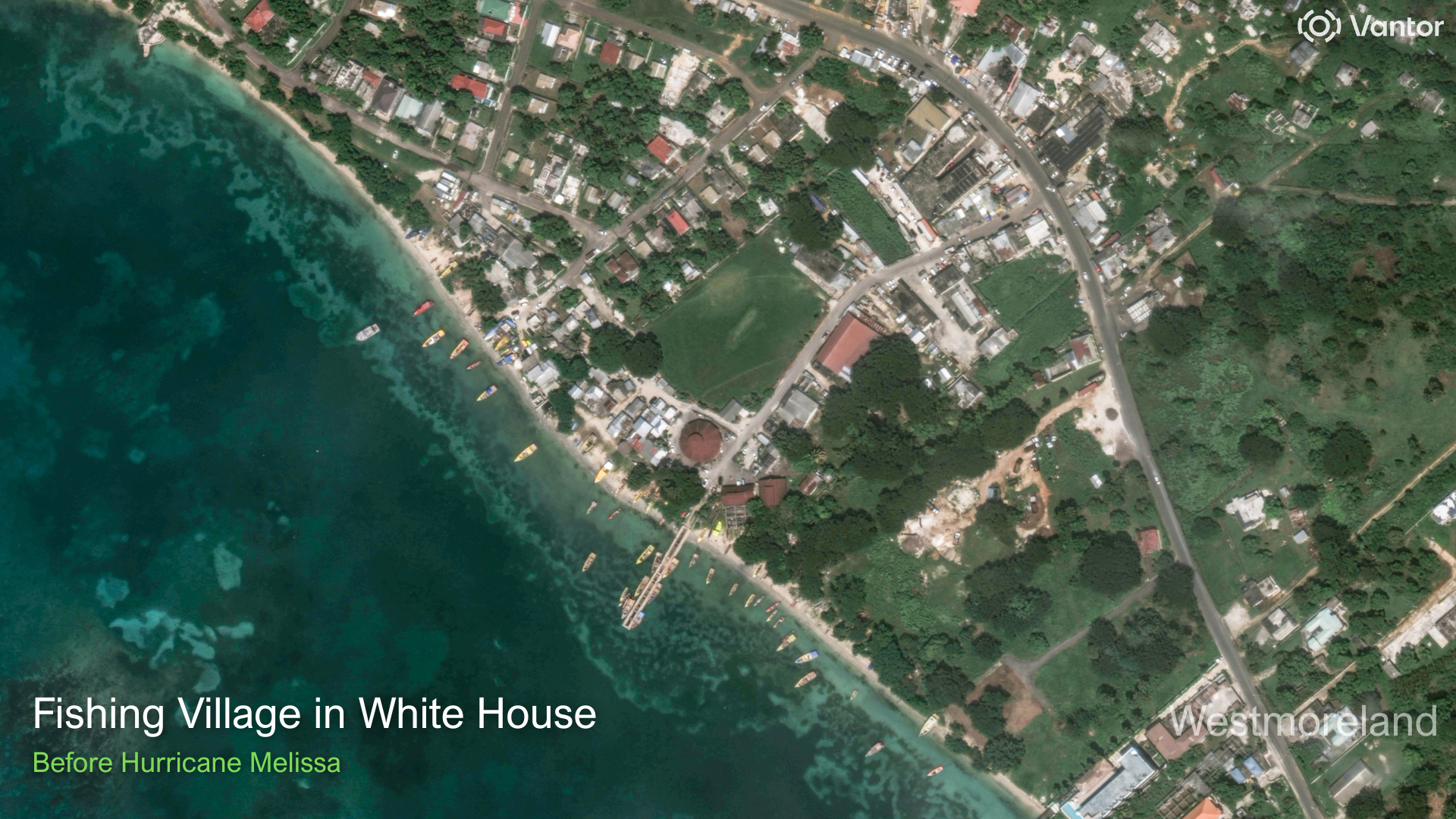
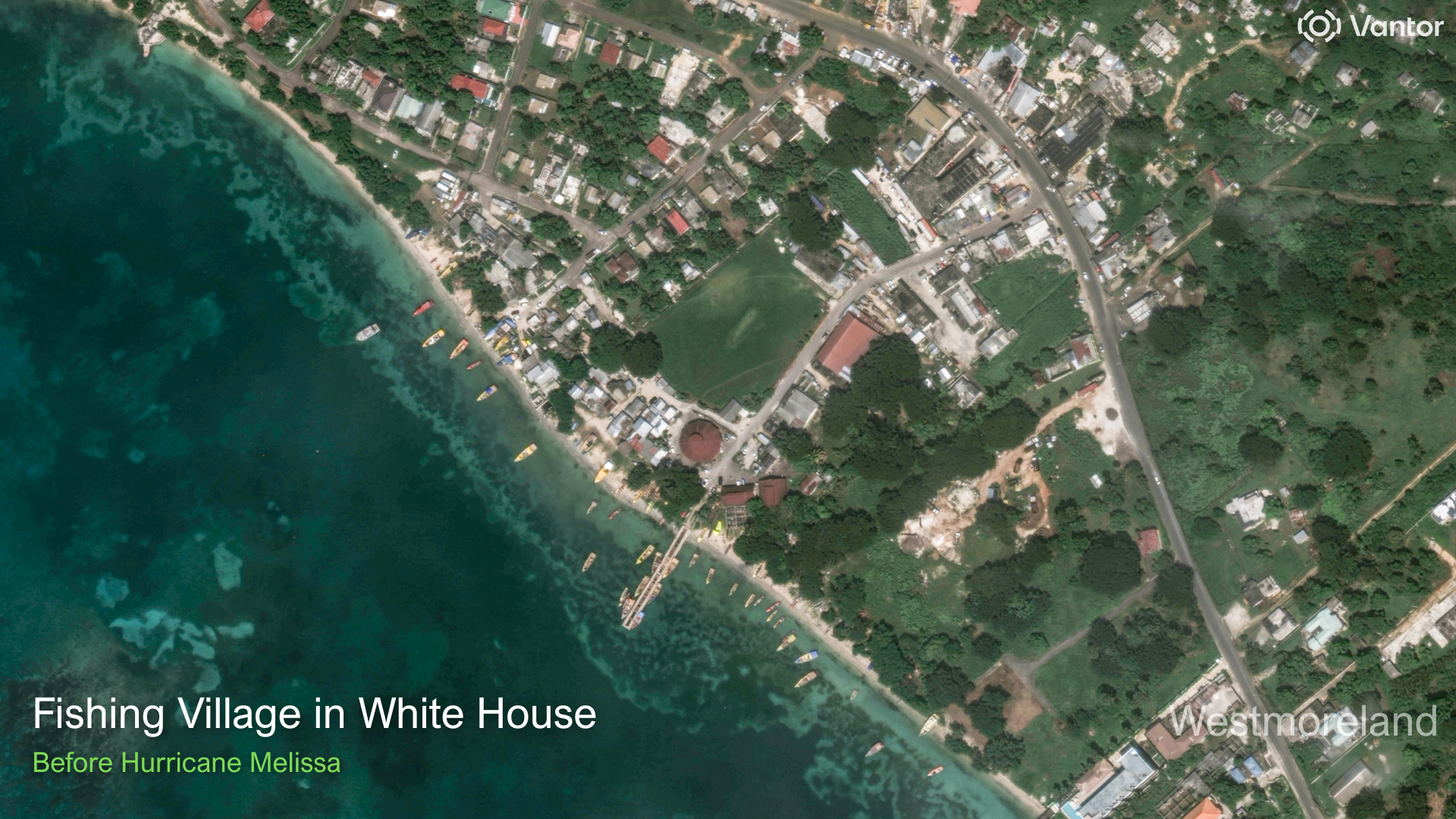
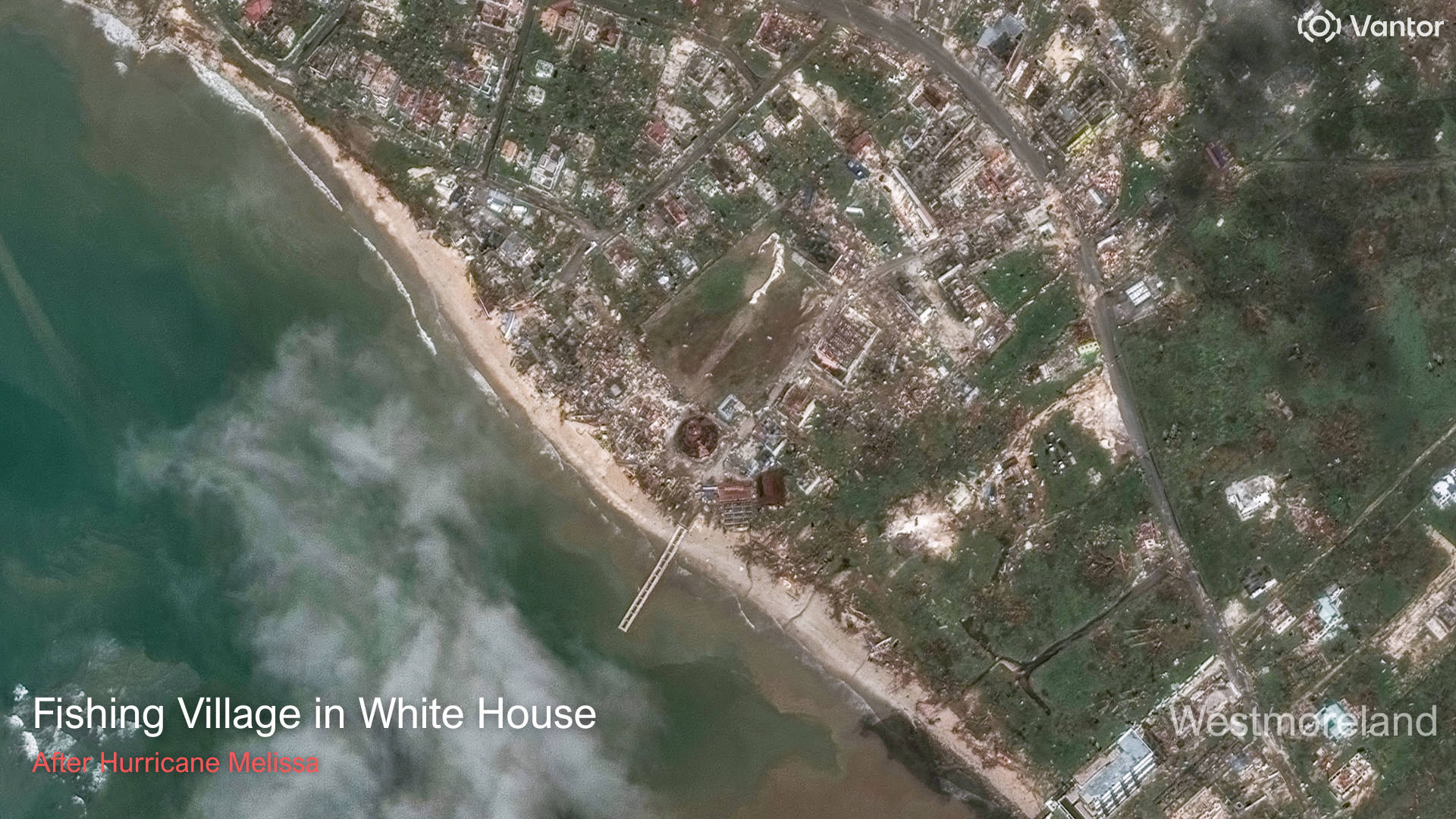
Whitehouse is a coastal fishing village in Westmoreland parish (south-west Jamaica), characterised by small-scale fisheries, local mixed agriculture, and community tourism. Before the storm, it was a modestly developed fishing settlement, with a shoreline-adjacent community highly dependent on the sea, boats, and local markets.
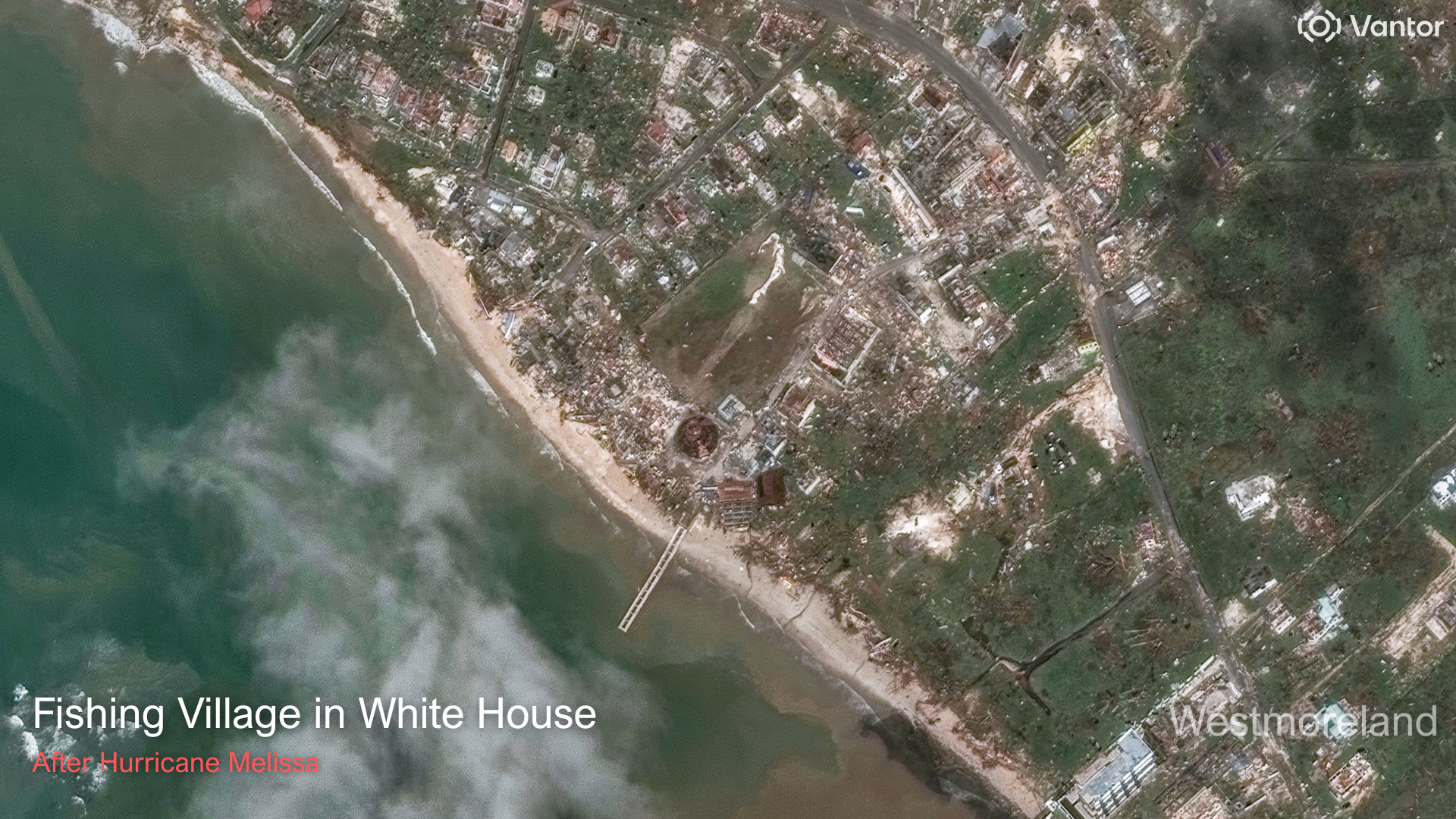
The satellite imagery reported by Vantor shows that Whitehouse and the nearby town of Black-River (though in a different parish) were among the first impacted, with shoreline destruction, inundation, and changed landscape. Although specific local damage numbers aren’t always reported in detail, it is clear the fishing village suffered severe storm-surge related flooding, shoreline erosion, boat/marine asset loss and interruption of fishery livelihoods.
Because fishing villages like Whitehouse tend to have less resilient infrastructure (smaller homes, less flood-proofing, coastal exposure), they often bear the brunt of such extreme storms. The consequences here will likely include boats destroyed or lost, fishers displaced, coastal homes uninhabitable, loss of income, and delayed rebuilding because such communities often lack the resources to bounce back fast. There will also be environmental impact: shoreline reshaping, marine-debris accumulation, and potential sea or river water contamination.
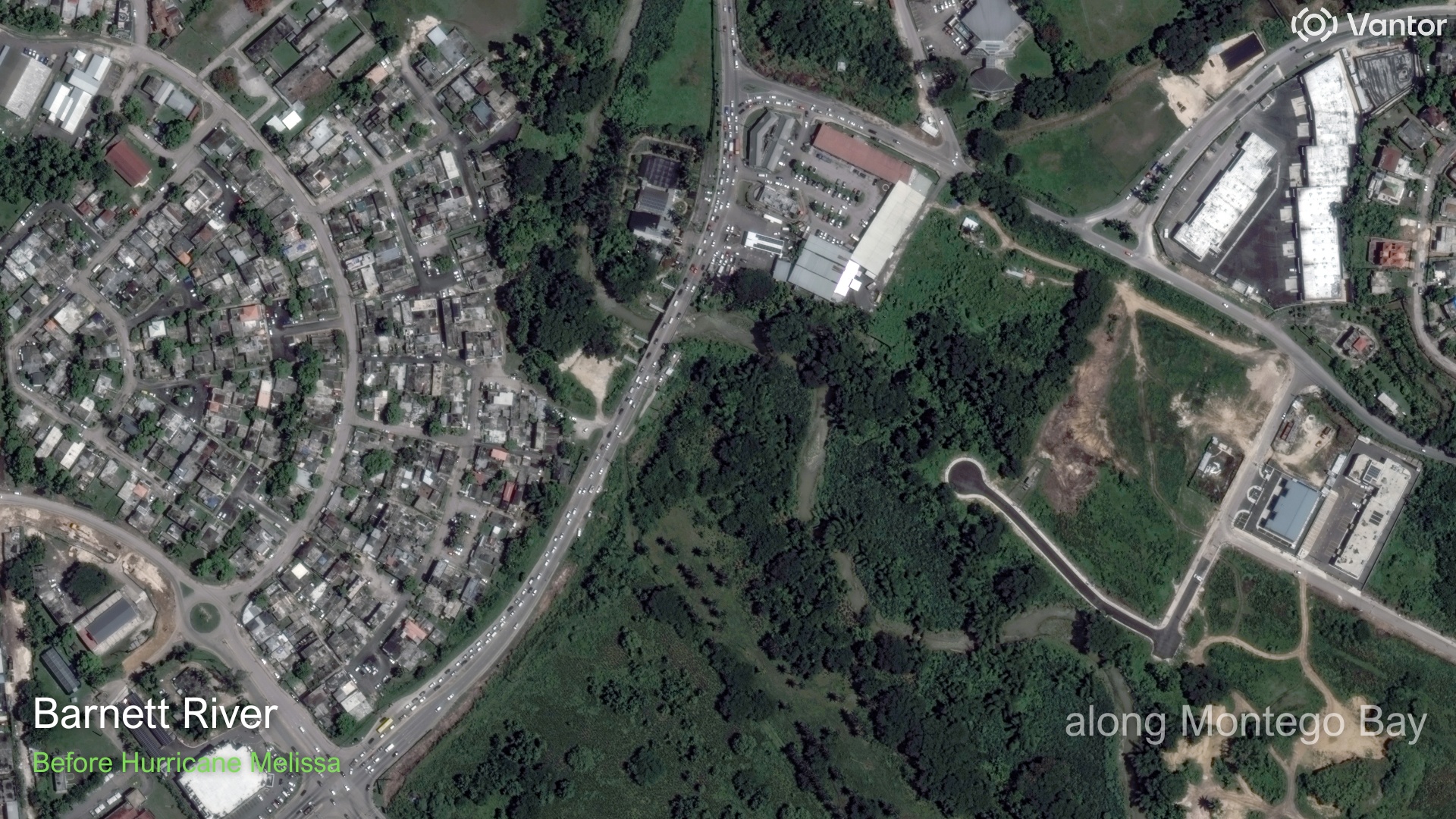
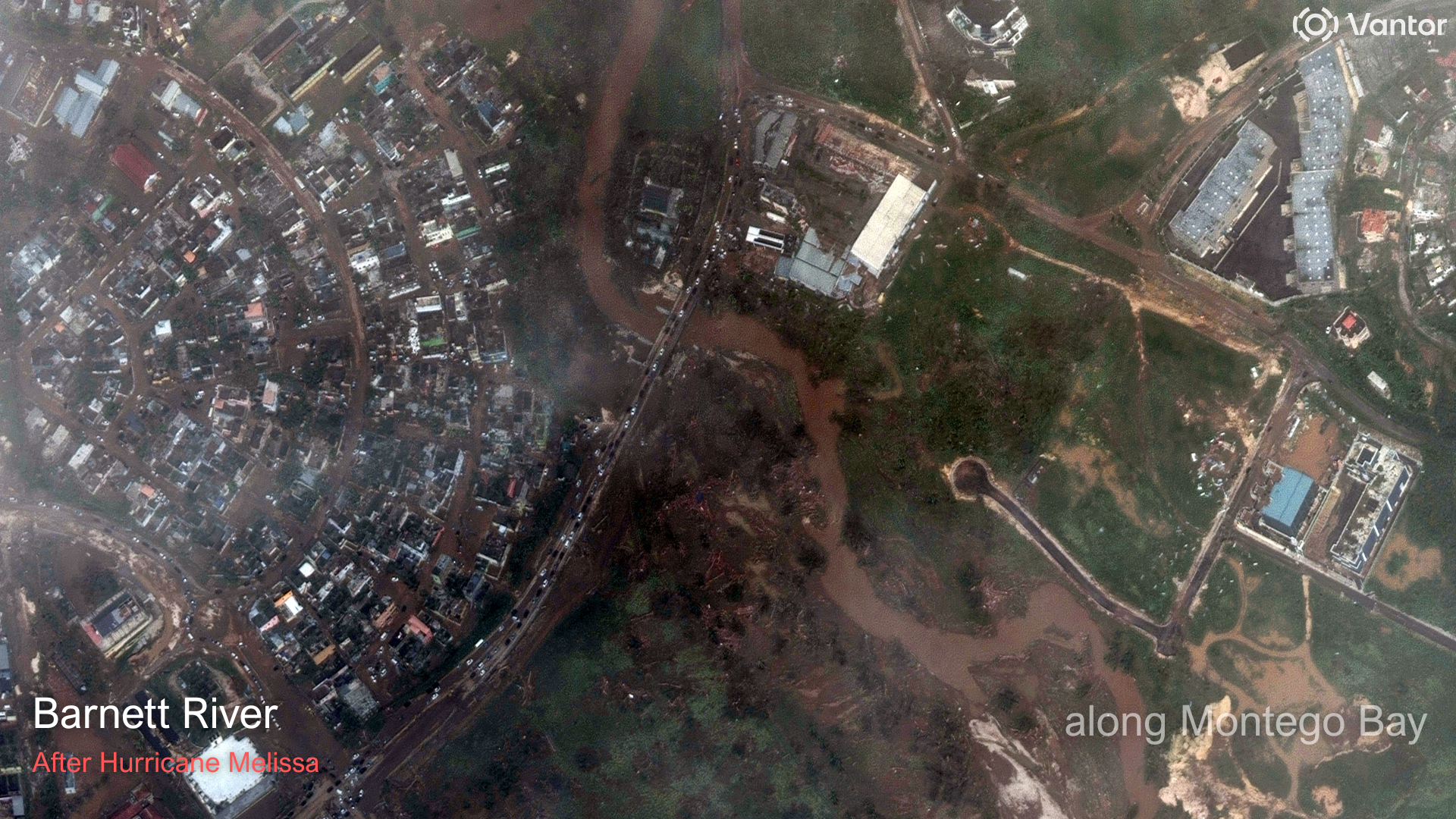
Barnett River Corridor, Montego Bay (St James)
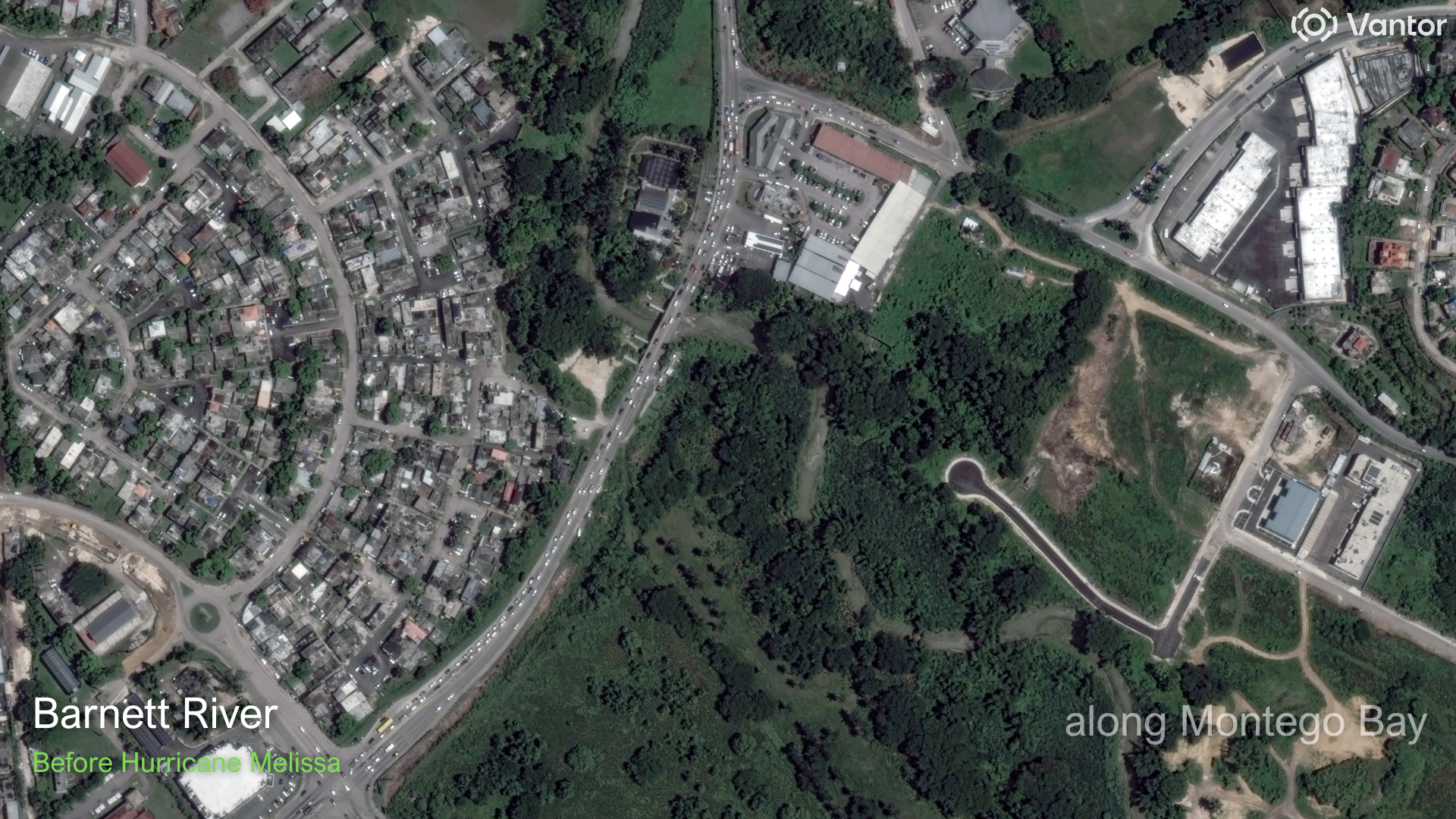
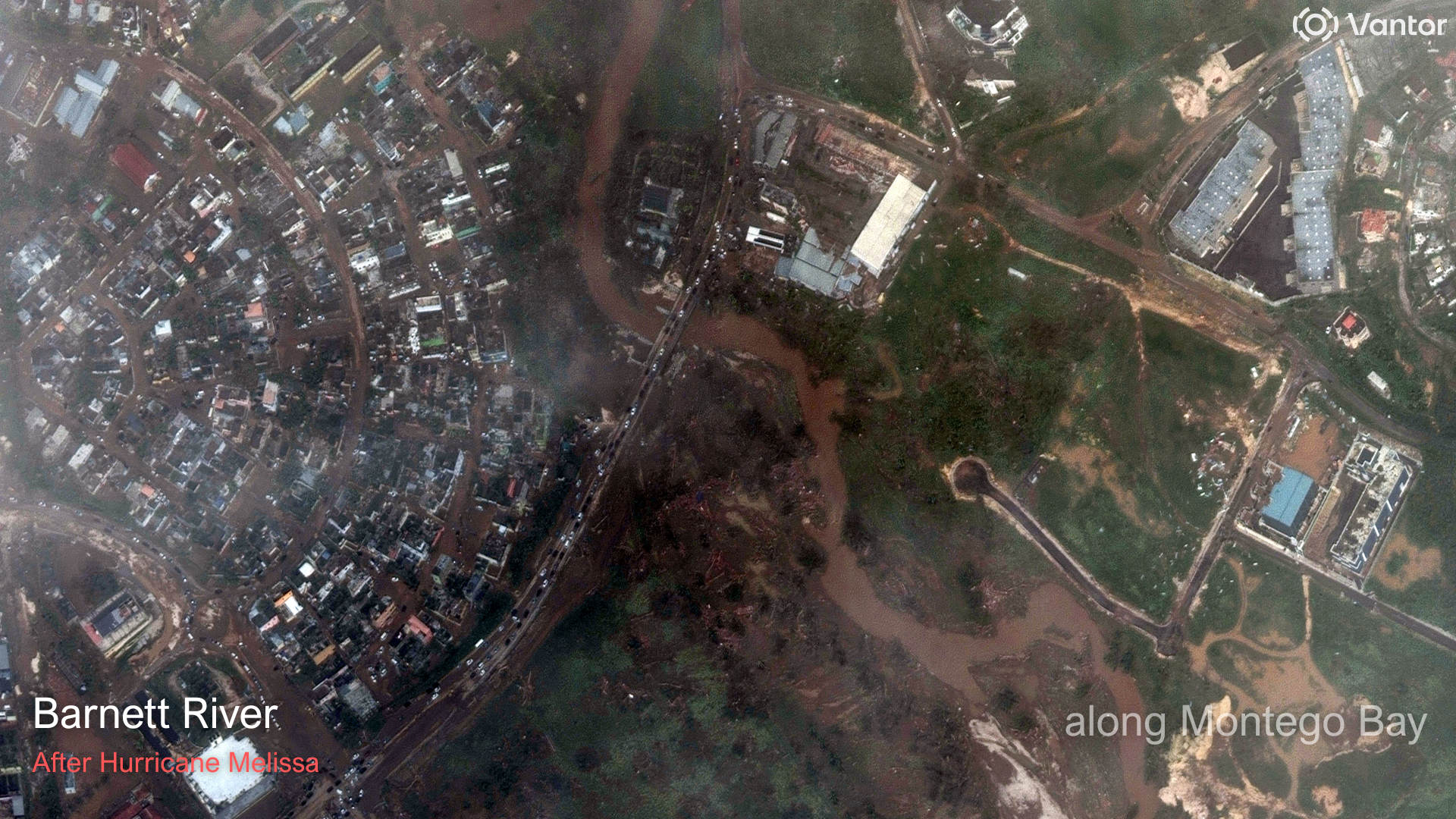
The Barnett River (sometimes spelled “Barnet”) flows through or adjacent to the built-up zones around Montego Bay in St James parish. Before the storm, this river functioned as part of the drainage infrastructure for that side of the city, helping channel rainfall and runoff away from urban areas. While it has overflow potential in heavy rain, major catastrophic overflows historically have been less frequent in comparison to the worst-hit zones.
In Hurricane Melissa’s case, the Barnett River overflowed substantially and became a focal point of flood damage. According to local reports from St James, in Montego Bay sections of the city were reportedly covered by “up to 16 feet of water” following the overflow of the Barnett River. (Reported by the Jamaica Star: Local Government Minister Desmond McKenzie) This overflow compounded storm surge and urban drainage failure. Public infrastructure in the Barnett River corridor (roads, municipal buildings, schools) was heavily impacted in Montego Bay. Because the city is built for tourism, the inundation of key zones near the river means both structural damage and economic disruption.
Going forward, the challenges include debris clearance from the river and its banks, assessing and repairing river-bridges and culverts, improving flood-management plans for the Barnett River catchment, and rebuilding the surrounding urban zones in Montego Bay that were submerged. The fact that such an overflow happened underscores the need for improved river-basin planning, better drainage systems, and perhaps revisiting land-use near the river.
What Comes Next?
Immediate Term
In the short term, the focus must be on search & rescue, sheltering and stabilizing critical infrastructure (power, water, communications). But the speed of response will determine how many secondary crises emerge. If relief is delayed, there will be increased risk of disease outbreaks (water-borne, vector-borne), broken families moving into unstable structures, and vulnerable populations (elderly, children) suffering compounding trauma.
Medium & Long Term
Infrastructure Recovery: Airports, roads, bridges, telecommunications, hospitals and schools all require major repair or rebuild. Tourism — a key economic pillar (notably around Montego Bay) — will be disrupted, reducing national revenue, affecting livelihoods in many sectors.
Economic Impact: Damage to homes, businesses, and farms (especially in parishes used for agriculture) means both immediate and long-term economic loss. When you combine lost productivity, reconstruction cost, and possible reduced foreign investment/tourism, the total financial burden grows substantially. Early estimates suggest tens of billions in damage region-wide.
Psychological and Social Effects: Families losing homes, loved ones, livelihoods or community cohesion will face trauma, mental-health issues, displacement stress and the challenge of rebuilding not just houses but lives. Communities may fracture or migrate.
Resilience & Planning: Jamaica must now accelerate its resilience planning: land-use regulations for flood-prone areas, retrofitting infrastructure for higher storm intensity, upgrading drainage and river-management systems (especially around rivers like Barnett), bolstering early-warning systems and community preparedness. Climate change means such extreme storms may become more frequent or intense.
Why Speed Matters
The quicker critical services are restored, the less the long-tail damage will be. Delays in restoring power, clean water, communication, shelter and livelihoods magnify the human cost: displacement becomes longer-term homelessness, damaged schools mean lost education, damaged hospitals mean long-term health impediments. Every week of delay increases risk of ripple effects.
Potential After-Effects to Monitor
Health: Increased risk of cholera, typhoid, leptospirosis, mosquito-borne diseases due to water stagnation, infrastructure damage and disruptions in sanitation.
Education: Schools damaged or closed raise long-term risk of lost educational attainment.
Housing & Migration: If housing rebuild is slow, families may relocate, urban-slum growth may accelerate, social risks (crime, instability) may rise.
Ecosystem & Environment: Coastal erosion, damage to coral reefs and coastal mangroves, river sedimentation, landslide scarring — all degrade natural protective systems and may increase vulnerability to future events.
Economic Sector Stress: Tourism, agriculture (especially flood-prone zones), fishing communities (e.g., Whitehouse) will face major disruptions and potential for long-term decline without investment and recovery.
Infrastructure Debt: The government and local authorities will have to allocate large budgets to repair and rebuild, which may reduce funding for other development areas or increase borrowing.
In essence, the coming months will test Jamaica’s capacity not just to rebuild what was lost, but to emerge stronger and more resilient. The storms of the future demand higher resilience. What happens now will shape both the immediate recovery and long-term vulnerability.
What You Can Do
If you are moved by the plight of Jamaicans impacted by Hurricane Melissa, your support can make a difference. Please consider:
Donating to trusted recovery and relief efforts (link below)
Supporting organisations working on-the-ground with housing, water, sanitation and medical aid
Sharing verified information to raise awareness
Considering long-term support models (re-build, resilience, flood-proof infrastructure)
Your contribution is needed now and will help shape the longer journey of recovery.
FAQ
What was Hurricane Melissa’s top wind speed?
According to several meteorological reports, Melissa hit Jamaica with sustained winds of about 185 mph (≈ 298 km/h) at landfall.
How many deaths have been reported so far in Jamaica?
At least 19 people died as a result of Hurricane Melissa in Jamaica, the country's information minister told Reuters.
What is the Barnett River?
The Barnett River is a watercourse located in the parish of St James near Montego Bay, Jamaica. It flows through or near built-up urban areas and is significant for drainage and local infrastructure. During Melissa the river overflowed its banks, contributing to flooding of adjacent urban zones in Montego Bay.
Why is the flooding/overflow such a major issue?
Because when rivers like the Barnett overflow—under conditions of hefty rain, wind-blown debris, storm surge infiltration and overwhelmed drainage systems—the resulting flood-waters move through built communities rapidly. In low-lying or urbanised zones near the river, homes and infrastructure are vulnerable to inundation, structural collapse, and loss of accessibility for rescue or repair.
What areas are at greatest risk now?
Particularly high-risk are low-lying coastal zones (facing storm surge), river-basin settlements (especially next to rivers like the Barnett), communities beneath steep terrain (landslide risk) and older infrastructure not built for extreme intensity storms. The western parishes of Jamaica (St James, St Elizabeth, Westmoreland) were among those hardest hit.